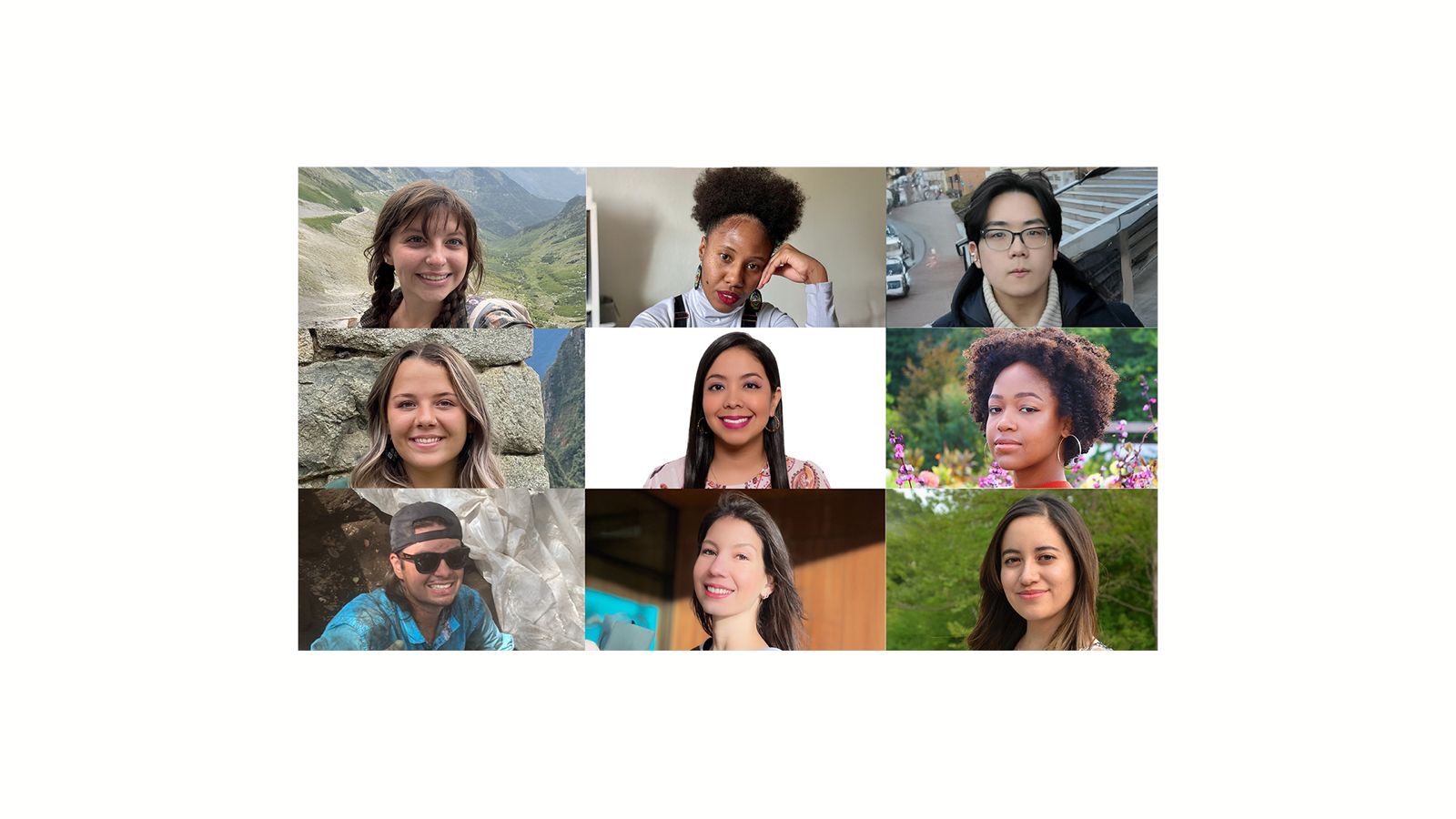
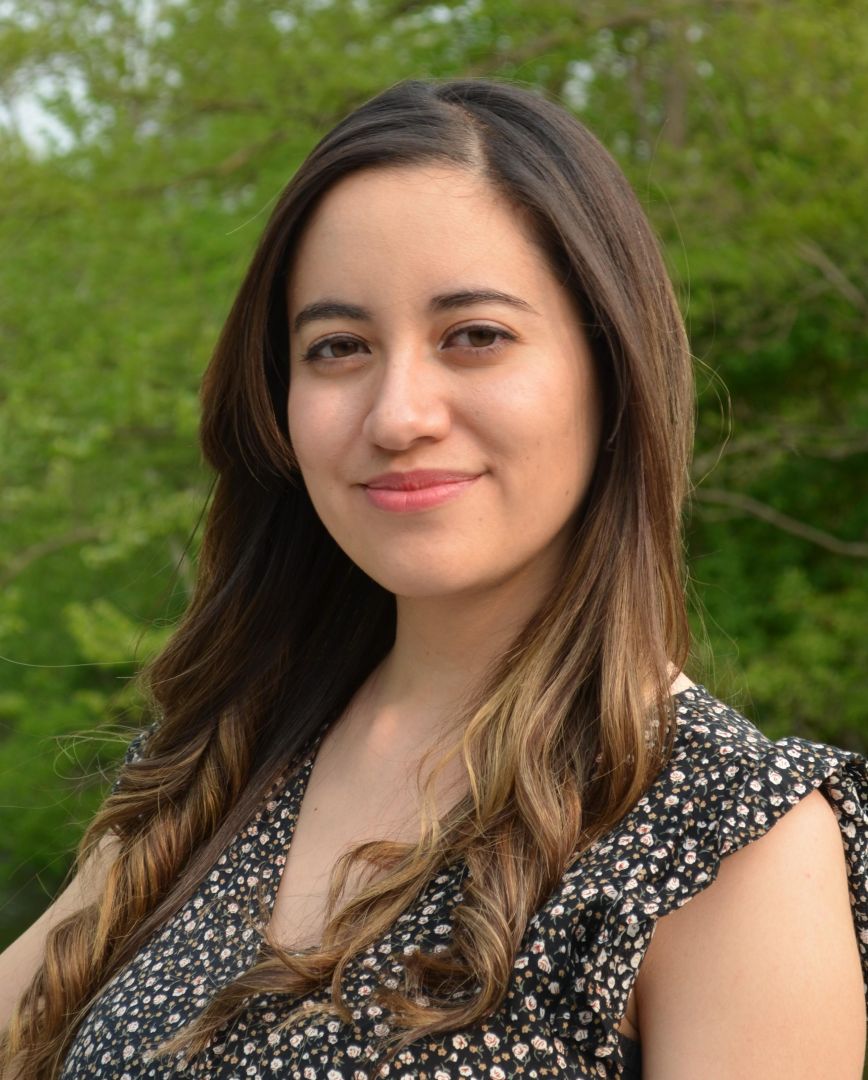
Ana Ponce Castañeda, Romance and Classical Studies, College of Arts and Letters
Witchts, Sorority and Community: Feminist Vindications in 21st Century Latin America and Iberian Horror Film
This study focuses on the analysis of the witch as a figure of resistance and sorority in 21st-century Latin American and Iberian horror film. The aim of this project is to examine the evolution of this figure, from an embodiment of collective fears shaped by patriarchal discourses to a beacon of feminist vindication and empowerment.
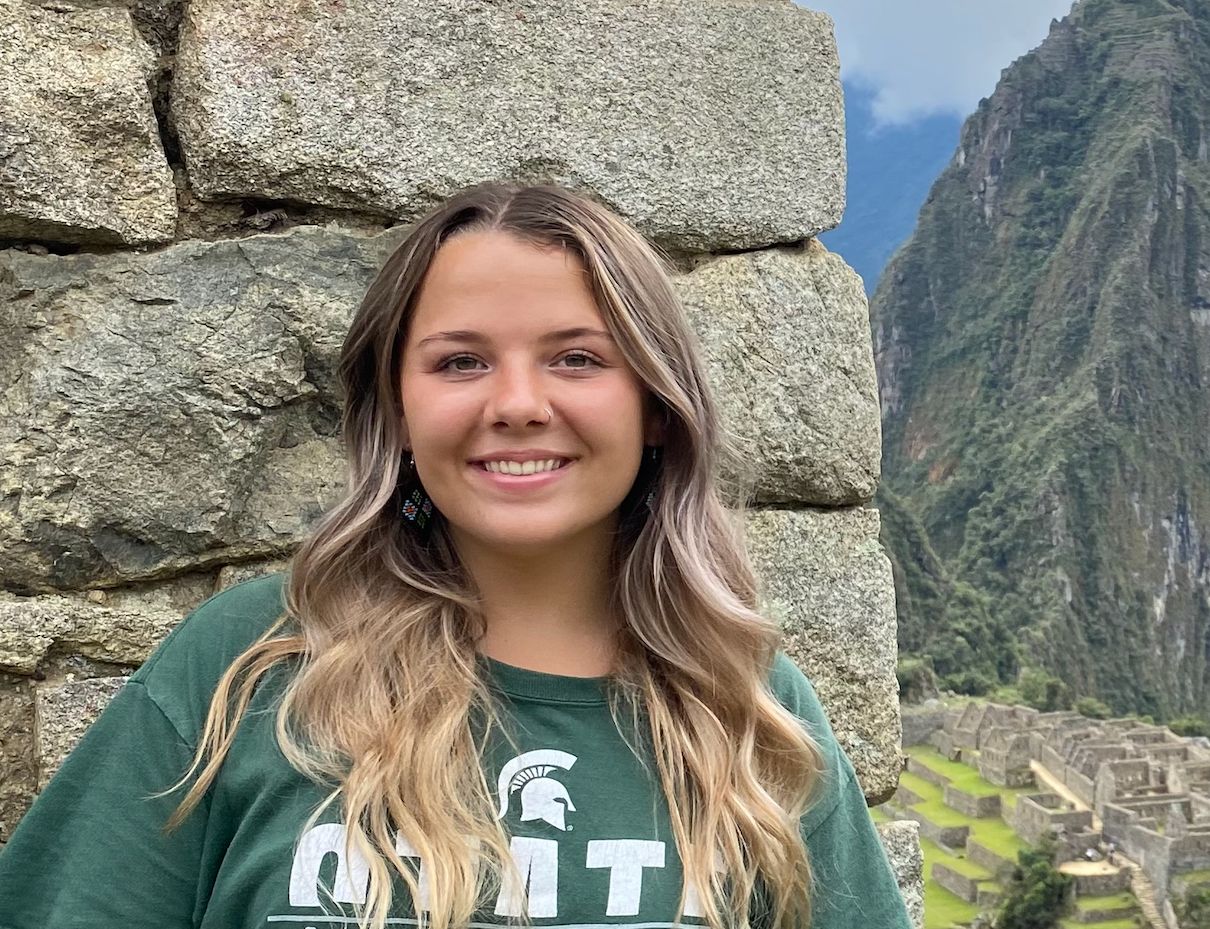
Anna Barnes, Journalism, College of Communication Arts and Sciences
Community Connection to Water in the Peruvian Amazon Amid a Changing Climate
In reporting on climate change effects there is a need for a counter-hegemonic discourse in order to reframe human-nature relationships to accurately represent the complexity of the issues for riverine communities. Through a short documentary and long-form story, I plan to exemplify the detriment of the Amazon River and its tributaries in Loreto, Peru through a different perspective—one that focuses on the deep relationship between the people and the river. Only through this non-western framing will the importance of this work be palatable for people from all cultures to understand.
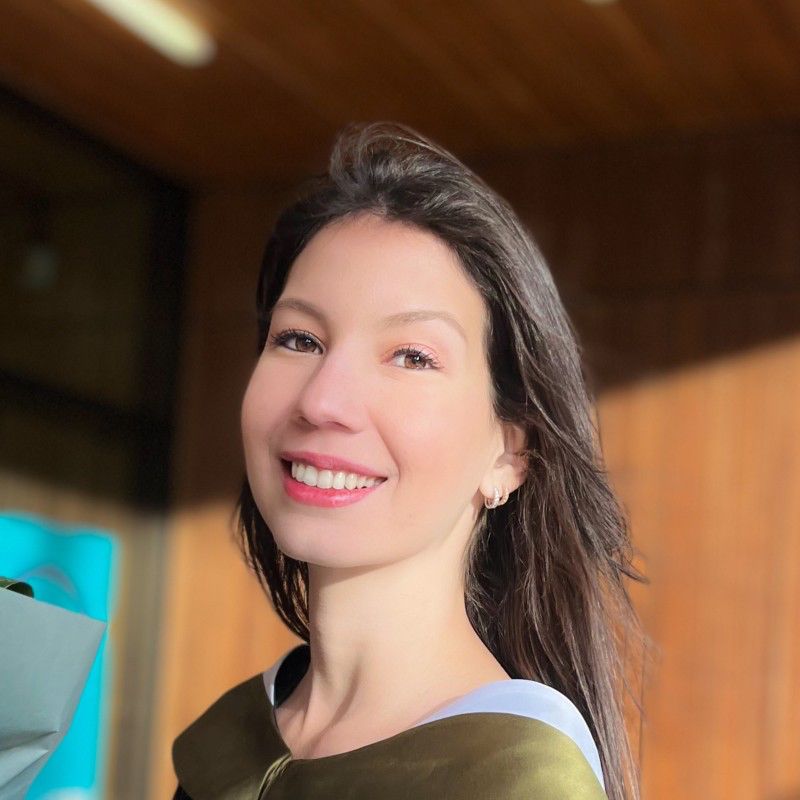
Iasmim Amiden dos Santos, Journalism, College of Communication Arts and Sciences
Decolonial Environmental Journalism: Theoretical and Practical Insights from Independent Media in Bolivia
This research examines colonial legacies and resistance in Latin American environmental journalism, focusing on Bolivia. Using ethnographic methods, it explores how Indigenous journalism informs a decolonial approach within independent media. The study investigates how such practices are enacted and negotiated while expanding decolonial journalism theory and its transformative possibilities in practice.
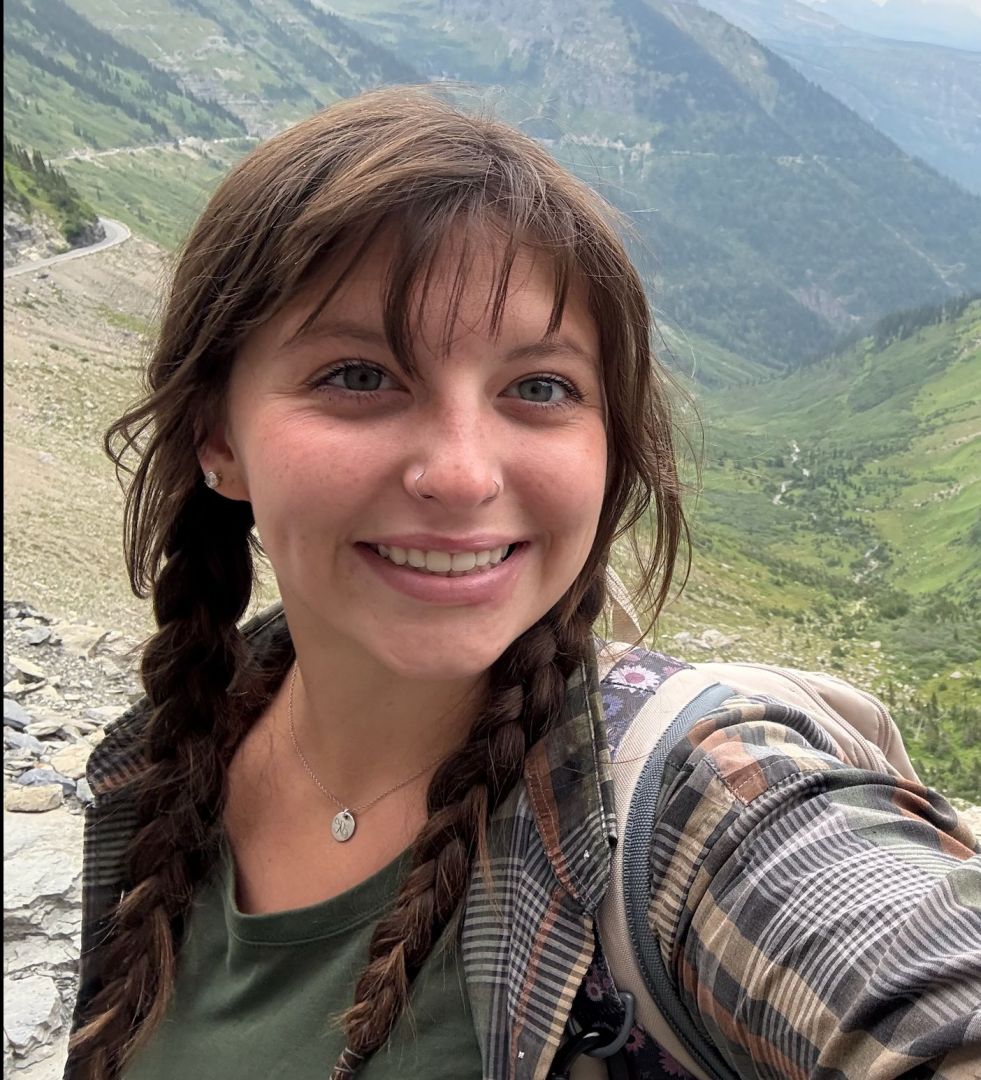
Shealyn Paulis, Journalism, College of Communications Arts and Science
Success of Indigenous Women’s Leadership in Environmental Justice
A journalistic project focusing on Latin American environmentalism, asking why indigenous women are emerging as effective leaders. It explores shifting societal factors enabling their leadership and what contributes to their success. As climate change and extractive industries disproportionately impact Indigenous communities, women in these regions are proving influential, underrepresented voices in environmental justice.

Zachary Cho, History, College of Social Science
Configuring Coercive Labor in Spanish Florida, 1565-1763
My research concerns the various structures and patterns of coercive labor in colonial Florida during the first Spanish period (1565-1763). I seek to analyze commercial and political networks within the Spanish circum-Caribbean, physical and intellectual institutions, and interpersonal/intersocietal relationships which informed the region’s labor practices. In doing so, I intend to promote a holistic understanding of the colonial Latin American world and how labor functioned within those spaces.

Sarah Whitaker, Jazz Studies, College of Music
Blackness/Negritude: A closer look at the relationship between blackness and music in Brazil and the United States
I will conduct research in the streets, museums, and performance venues in São Paulo, Rio de Janeiro, and Salvador, BR. During colonial times in the Americas, the process of ethnic cleansing took place. This process was known as ‘blanqueamiento’ in Spanish colonies and ‘branqueamento’ in Portuguese colonies. It is best visually represented in the painting “Redenção de Cam” by Modesto Broco. Although a highly contested artwork, the embedded visual components tell a far deeper story of Blackness in Brazil. With a looming pressure on Brazilian society to uphold a ‘racial democracy’ as coined by Brazilian sociologist, Gilberto Freyre, Black Brazilians drew on concepts from Black American Music to fight ‘racismo disfarçado’ (hidden racism). I seek to dive deeper into the historical significance of this musical and binational relationship and its current implications.

Estela Gonçalves de Souza, History, College of Social Science
Negotiating Black Masculinities during Slavery and Emancipation in Juiz de Fora, Brazil
(1880-1910)
This research historicizes Black masculinities during slavery and emancipation in Juiz de Fora, Minas Gerais, from 1880 to 1910. I analyze criminal records, newspapers, and court cases to evaluate the language Black men used to depict themselves and how others described them. I want to understand how the rhetorical jousting over status, racial identity, and masculinity played out in court proceedings and social relations. Despite slavery’s end, Afro-Brazilians continued to combat racial discrimination that sought to limit their social mobility and exploit their labor. I hypothesize that masculinity played a central role in establishing access to citizenship, belonging, and the right to exist in a society deeply marked by a racialized-gendered hierarchy, grounded in centuries of slavery.
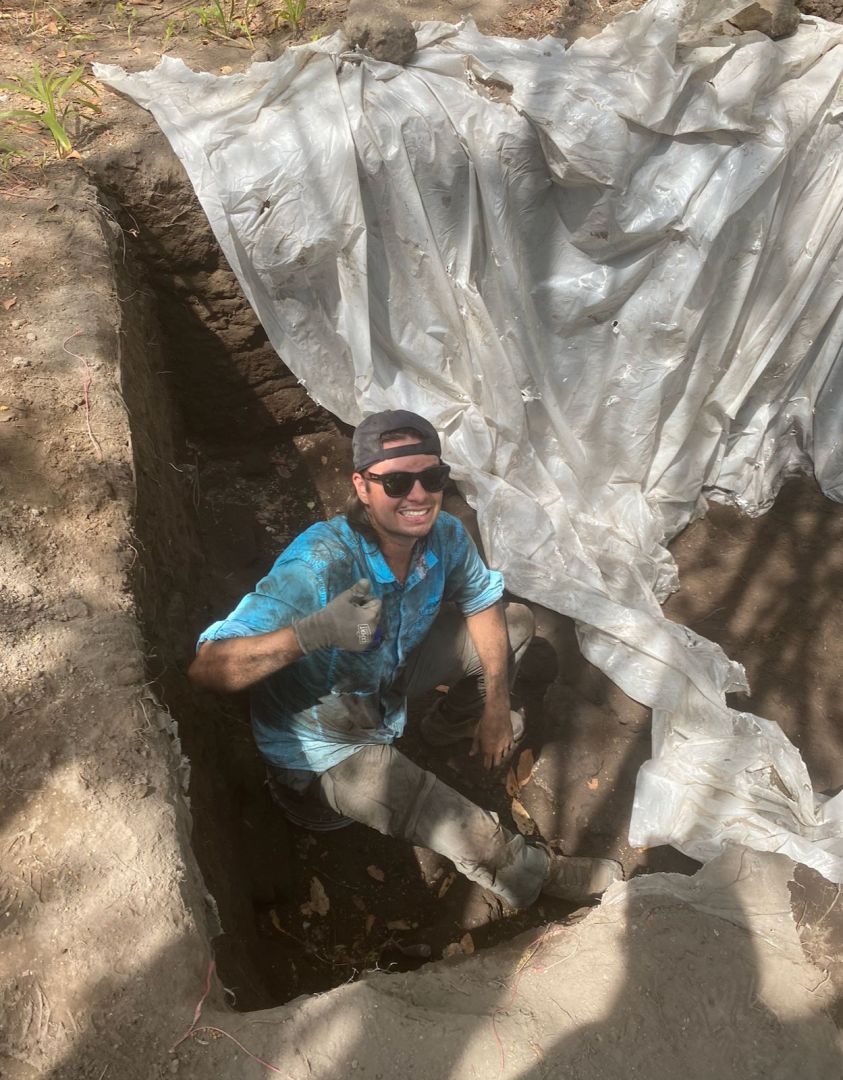
Kevin Cabrera, Anthropology, College of Social Science
Preliminary Study on Dental Wear and Cultural Practices: Biocultural Insights from Pre-Columbian Panama
This project investigates biocultural variation in pre-Columbian Panama through the analysis of dental wear. Macroscopic and microscopic examinations will identify patterned variability in dental wear associated with distinct behavioral and cultural practices, such as non-masticatory tool use, food processing, or possible medicinal intervention. Integrating archaeological and comparative data, the study explores cultural continuity, mobility, and social organization in the Isthmo-Colombian Area.

Johanna Avila Trujillo, Teacher Education, College of Education
Peacebuilding Education through Critical Multimodal Literacy in the EFL Classroom
This research study is an extension of a pilot conducted with EFL teachers from public high schools in Colombia. The findings reveal that although these teachers consider peacebuilding education necessary to include in the EFL classroom, they do not intentionally apply it, nor do they use strategies to teach students how to decode violence in the media they consume. In response, this study proposes a Critical Multimodal Peacebuilding Model as a pedagogical intervention to support EFL teachers in the design of lessons and materials that enable students to recognize violence in media and transform it into peaceful multimodal texts.
Student Stories
Perspectives from abroad

Webinar
Getting courses approved
October 22 @ 4 pm

Program Search
Create your profile to begin searching programs

Advising
Questions about study abroad?
Walk-in and online advising available!



