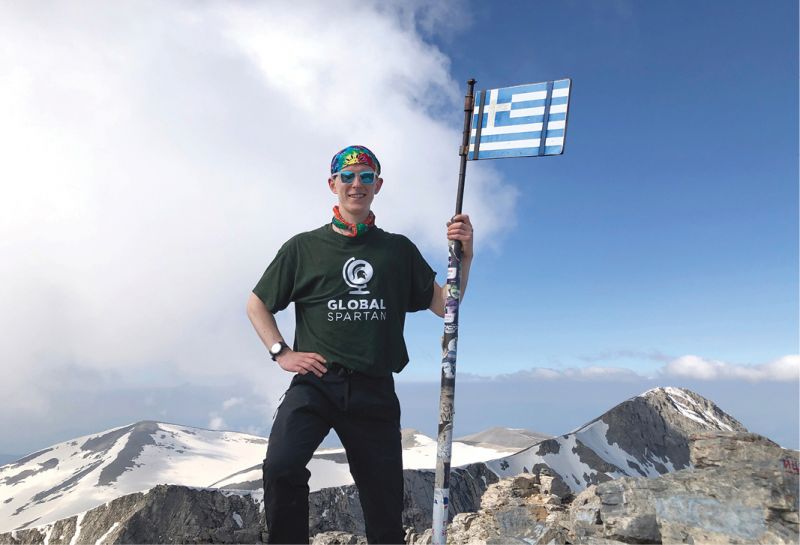
Each year, thousands of students at Michigan State University are transformed by their educational experiences outside of the United States and can be found in classrooms, research labs, field stations, and internship sites throughout the world.
2024-25 Academic Year
2,503 students participated in education abroad.
- 4% increase compared to last year
- 64 students studied abroad more than once
- 16% were first-generation college students
The top ten destinations included:
- Italy
- Spain
- United Kingdom
- Japan
- Mexico
- South Africa
- Ireland
- France
- Australia
- India
Top three undergrad majors served:
- Finance
- Human Biology
- Psychology
Top three graduate/professional programs served:
- Osteopathic Manipulative Medicine (OMM)
- Master of Business Administration (MBA)
- Juris Doctor (JD)
Top three sending MSU Colleges:
- Eli Broad College of Business
- College of Social Science
- College of Communication Arts and Sciences
Students from 195 major degree programs and two certification programs were represented.
Approximately 18% of MSU students graduated with education abroad experience.
Compared to last year, participation increased in the following areas:
- Program type: direct enrollment (+20%) and affiliated partner programs (+62%)
- Program term: winter break (+48%), spring break (+14%) and summer (+3%)
- Program length: Long-term/8 weeks or more (+112%)
- Racial/ethnic categories: Asian, Native Hawaiian or other Pacific Islander (+12%), Black or African American (+6%), Multi-racial (+32%) and White (+5%)
- Citizenship: International (+21%)
MSU exceeded national participation in the following categories:
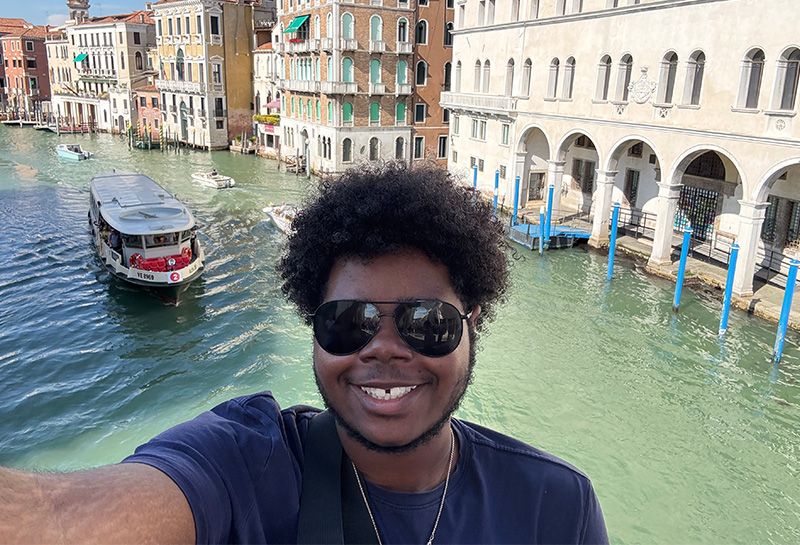
- Student engagement among first-year students (+5%), sophomores (+10%), juniors (+3%) and graduate/professionals (+4%)
- Short-term programs (fewer than eight weeks) (+20%)
- Students in the following academic fields:
- Science, technology, engineering and math (+9%)
- Social sciences (+2%)
- Communication/journalism (+3%)
- Education (+1%)
- Legal studies and law enforcement (+.5%)
- Programming in the following regions:
- Antarctica (+1%)
- Sub-Saharan Africa (+5%)
- Latin America and the Caribbean (+7%)
- Oceania (+1%)